
You’ve ordered the car, or it’s already in the driveway, and the next question is always the same: how do I charge this thing at home?
We’re a Tesla Certified Installer, which means we’ve had this conversation a few hundred times. Here’s the honest version.
Want to know what it’ll cost to run? Try our Tesla home charging calculator. Driving something other than a Tesla? The EV home charging guide covers the same ground for other makes.
1. The standard power point
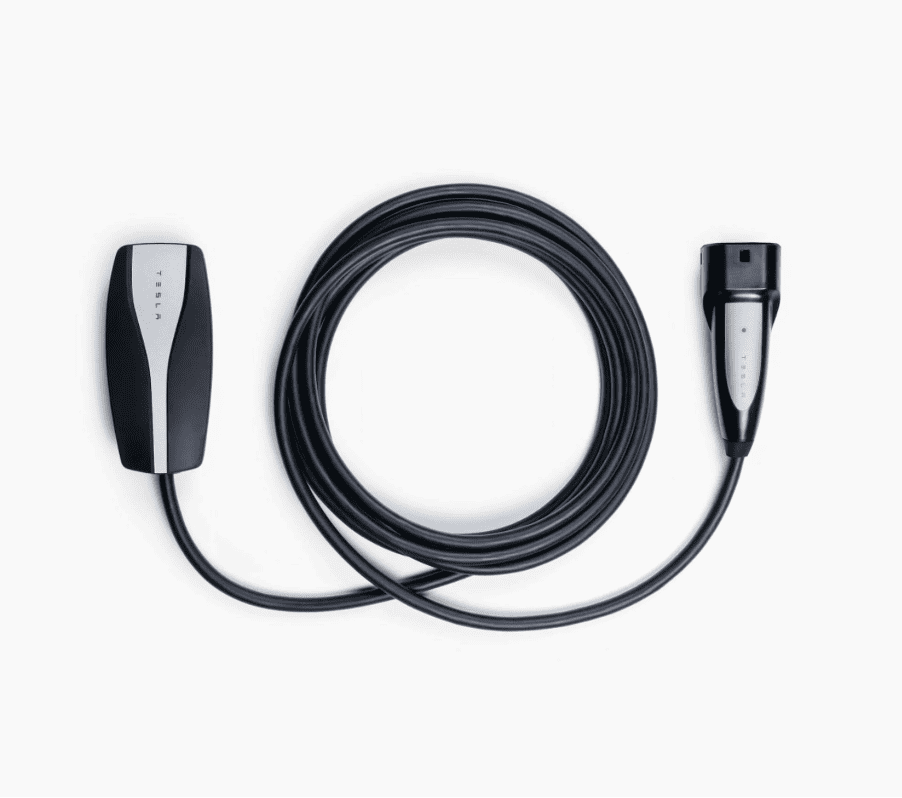
Plug the Mobile Connector into an ordinary 10A socket. Around 2.3 kW, which is roughly 10 km of range an hour.
It works, and for a lot of people it’s genuinely enough. If you’re doing 40 km a day and the car sits in the garage from six until seven, you’ll wake up full every morning.
What it won’t do is recover a long trip quickly. And running a general-purpose circuit at full tilt overnight, every night, is more than it was designed for — we’d want that on its own circuit back to the board.
2. A 15 amp dedicated outlet
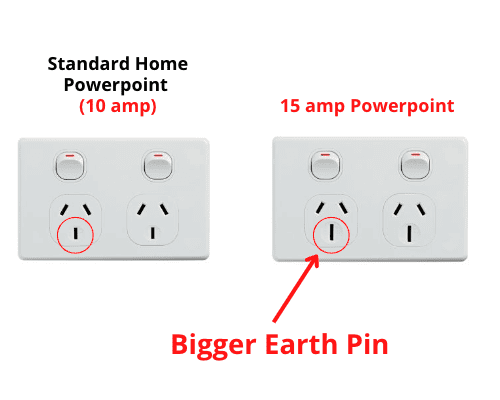
About 3.6 kW, or 15–20 km of range per hour. Fifty percent quicker than standard for not much more money, because the install work is nearly identical.
Need a Tesla home charging quote?
Want to talk to an expert?
We are Tesla Certified Installers.
Special: $100 off EV setup (ends July 31)
This is the sensible default for most single-Tesla households. You’ll need the 15A adapter for the Mobile Connector, which is a modest one-off.
We’d install it as a dedicated circuit with the right cable and breaker — not spurred off something existing.
3. A 32 amp socket
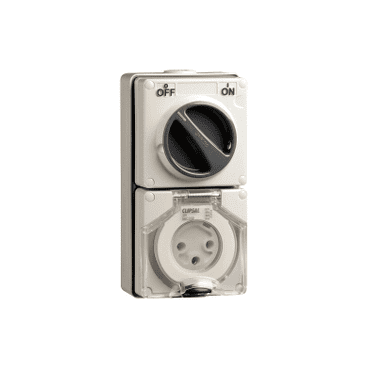
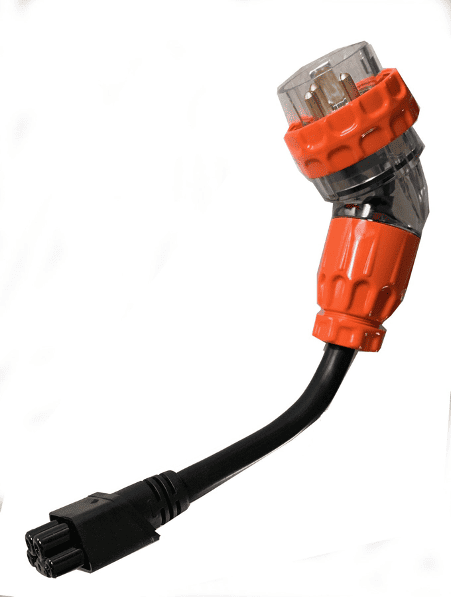
Around 7 kW, or 40–50 km of range per hour. This is the maximum a single-phase supply will give you, and it fills a Long Range battery overnight without thinking about it.
The quiet advantage is portability. With a 32A adapter you can plug in at caravan parks and showgrounds right across the country — handy on a trip through somewhere the Supercharger network doesn’t reach.
The install is more involved: heavy cable from the switchboard, a suitable breaker and safety switch, and possibly switchboard work if your board is full or dated. We’ll assess that before quoting, not halfway through the job.
4. Tesla Wall Connector, single phase
The purpose-built unit. Wall-mounted, tethered cable, up to 7 kW on single phase.
The difference is daily convenience — you’re not unwinding a portable lead every night, and the cable lives on the wall rather than in the boot. It talks to your car and your Tesla app, handles scheduled charging to your off-peak window, and supports power sharing if you add a second car later.
This is what we install most often, and it’s what we’d put in our own garage. It costs more up front and it stays with the house. Both of those are fine.
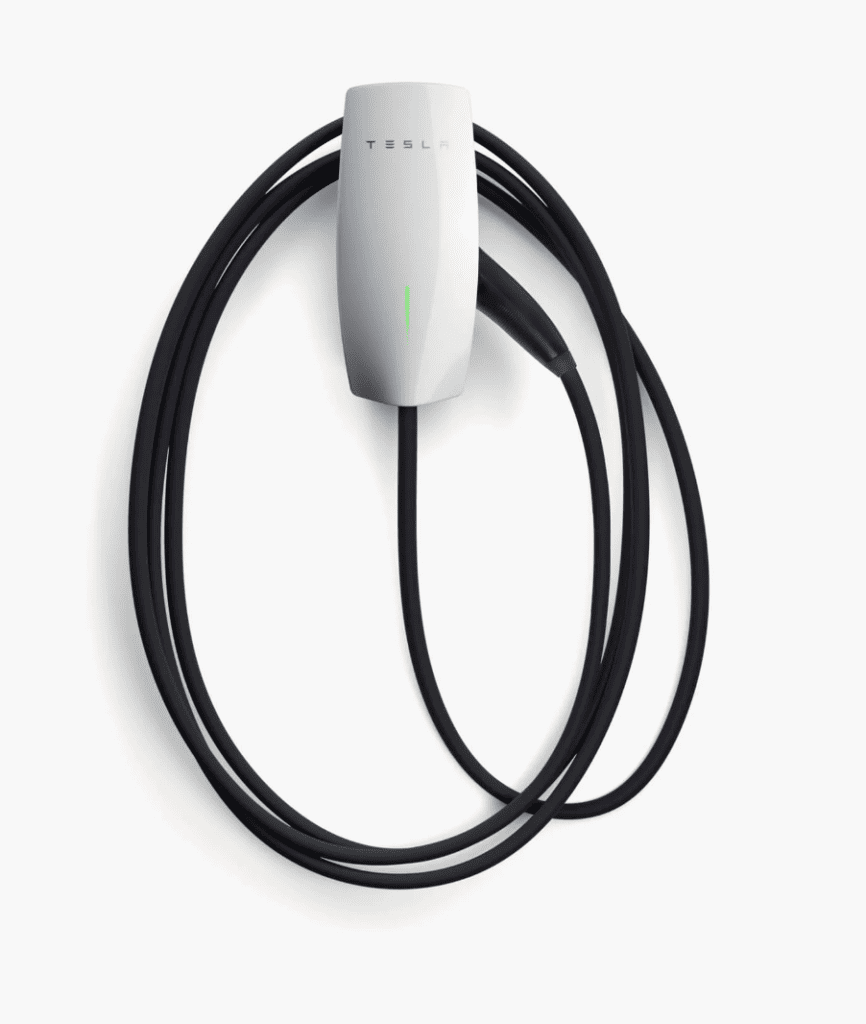
5. Wall Connector on three phase
The full setup. Three phases gets the Wall Connector to 11 kW on a Model 3 or Model Y, which is roughly 65–75 km of range per hour.
If you’re a two-EV household, doing serious kilometres, or building and renovating anyway, this is worth doing while the walls are open.
The catch is that most Melbourne homes are single phase. Getting three-phase power installed means coordinating with your distributor, usually a new meter and mains, and real work on the property. If you already have three phase — common in homes with ducted air conditioning — you’re most of the way there already.
Which one is actually right for you
It comes down to daily kilometres and parking hours, not what your neighbour installed.
Under 50 km a day, car home overnight — a 15A outlet. Regular longer trips, or you value not thinking about it — a Wall Connector. Two EVs, or you’re renovating — three phase.
There’s no prize for over-specifying, and we’ll say so if a 15A point covers you.
A note on batteries
If you’re wondering about charging habits, it’s worth knowing which battery chemistry your car has — LFP packs are happy being charged to 100% regularly, whereas NCA packs prefer being left around 80% for daily use. We’ve written about which Teslas use LFP batteries.
Getting it installed
Tesla Certified Installer, Registered Master Electrician, over 200 five-star reviews, and a lifetime workmanship warranty on the work.
We’ll come and look at your switchboard, your garage and your driving, and give you a straight recommendation — including when the cheap option is the right one.