
Most kitchen lighting fails the same way: a grid of downlights across the ceiling, all one brightness, all one colour, and every time you stand at the bench you’re working in your own shadow.
It’s not that the lights are bad. It’s that there’s only one layer of them.
Here’s how to get it right, whether you’re renovating or just tired of the one you’ve got.
Three layers, not one
Good kitchen lighting does three separate jobs, and each needs its own layer.
Ambient — the general light that fills the room. This is what your ceiling downlights are for, and on their own it’s what most kitchens have.
Task — light directly on the surfaces you work on. Under-cabinet strips over the benchtop, and light over the cooktop and sink. This is the layer that’s almost always missing and the one you’ll notice most when it’s there.
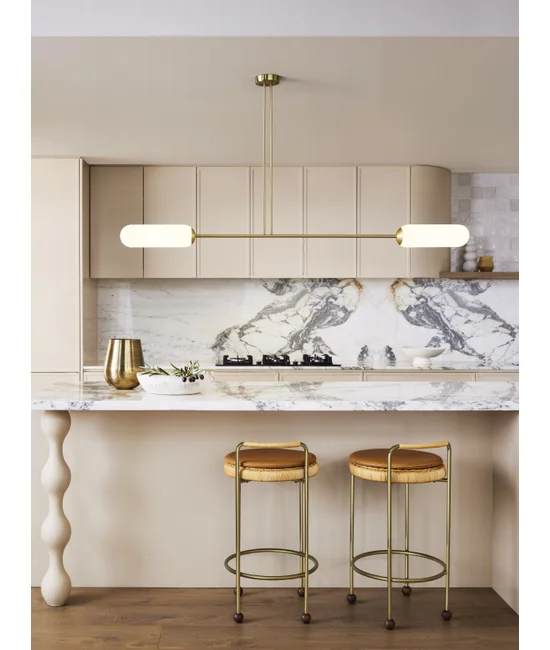
Accent — pendants over an island, a strip inside a glass cabinet, a light in a shelving nook. This is what makes the room feel considered rather than just lit.
Get all three, put them on separate switches, and you can have a kitchen that’s bright at 7am and calm at 9pm.
The shadow problem
Stand at your bench. If your shadow falls on what you’re doing, the light is behind you — which it will be, if all your lighting is ceiling-mounted behind where you stand.
The fix is under-cabinet lighting. LED strip or slim linear fittings mounted under the overhead cabinets, at the front edge rather than against the wall, so the light throws forward onto the bench rather than down the splashback.
It’s the single biggest improvement you can make to a kitchen’s lighting, and it’s usually the cheapest.
For islands and peninsulas without overheads, the answer is either pendants positioned correctly or downlights shifted forward from the ceiling grid so they land in front of you rather than behind.
Downlight spacing and positioning
Two rules that solve most problems.
Spacing. As a starting point, space downlights at roughly the ceiling height in metres — so for a 2.7m ceiling, around 1.2–1.4m apart. Closer and you get glare and expense; further and you get scalloped pools of light with dark gaps.
Position them over the front edge of your benches, not the centre of the room. This is the one people get wrong. A symmetrical grid looks tidy on a plan and puts every light behind your head in practice. Set them out around 700–800mm from the wall, which is roughly the front edge of a standard benchtop.
Also: keep downlights clear of where cabinet doors open, and keep them out of the direct sightline from the dining table.
Colour temperature
Measured in Kelvin, and it changes the feel of the room more than anything else.
2700K (warm white) — yellow, cosy. Right for living rooms, generally too warm for a working kitchen.
3000K (warm white) — our usual recommendation for kitchens. Warm enough to feel like a home, clean enough to see what you’re cooking.
4000K (neutral/cool white) — crisp and clinical. Good for a laundry or garage, and some very modern kitchens carry it well, but it can feel like an office.
5000K+ — no.
Whatever you choose, keep it consistent across the room. Mixed colour temperatures in one space look like a mistake, because they are one. If your kitchen opens onto living areas, match the temperature across both.
Two more numbers worth knowing. CRI (colour rendering index) should be 90 or above in a kitchen — it’s how accurately the light renders colour, and below 80 your food genuinely looks wrong. And dimmability: put the ambient layer on a dimmer, and make sure the dimmer is compatible with the specific LED driver. Mismatched LED and dimmer is the number one cause of flickering, and it’s entirely avoidable at specification stage.
Tuneable white, if you’re going to be there a while
Newer fittings let you shift colour temperature through the day — brighter and cooler in the morning, warmer in the evening. It’s more expensive and it’s genuinely nice to live with, particularly in a kitchen you use late.
There’s decent evidence that cooler, brighter light late in the evening affects sleep quality — we’ve written about blue light and sleep separately.
Common mistakes
Too many downlights. The instinct is to add more. Usually the problem is placement, not quantity, and a ceiling full of holes looks like an office.
Everything on one switch. If you can’t turn the ambient down while the task lights stay on, you’ve got a switch, not a lighting design.
Forgetting the rangehood light. It’s your primary task light over the cooktop and it’s often forgotten in the plan. Worth checking when you’re specifying the rangehood.
Cheap LED fittings. The driver fails long before the LED does. Cheap fittings fail at different rates, which means replacing them one at a time forever, and matching a discontinued fitting three years later is impossible. Buy fittings you can still get.
Insulation contact. Downlights need the correct clearance from insulation unless they’re IC-rated. Getting this wrong is a fire risk, and it’s one we find regularly in homes where someone’s insulated a roof after the lights went in.
If you’re renovating
Do the lighting plan before the plasterboard goes up. Once the ceiling is closed, moving a downlight is a patch, a repaint and a bad afternoon.
Think about where you’ll stand, not where the room’s centre is. Run more circuits than you think you need — separating them later is expensive, separating them now is nearly free. And run a cable to wherever a pendant might one day go, even if you’re not fitting one.
We’ll help you plan it
We do lighting design and installation across Melbourne’s eastern suburbs, and we work regularly with architects and designers, so we’re comfortable working to a plan or building one with you.
We’ll come and look at the room, ask how you use it, and set out a layout that puts light where you actually need it. Then we’ll install it, patch neatly, and take the boxes with us.
Over 200 five-star Google reviews. Lifetime workmanship warranty.
Related: LED Lighting Installation Melbourne · Creative Ceiling Lighting Ideas · Vanity Lights
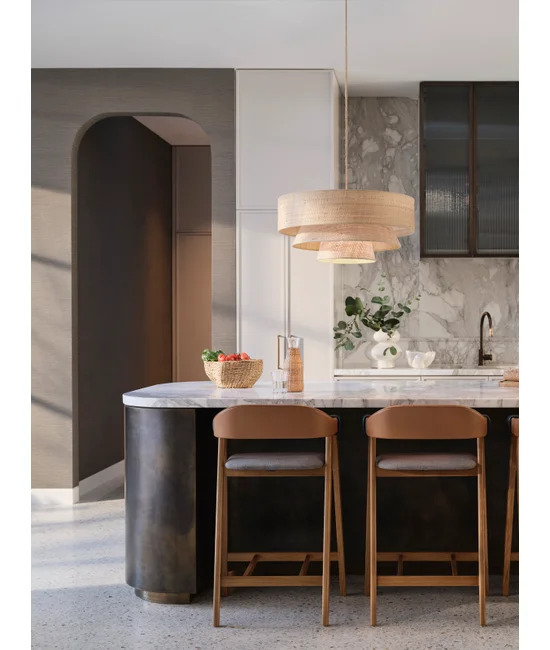
There are three main layers of light to consider:
- Ambient Lighting: This is the general lighting that fills the room. It’s often achieved through ceiling lights or recessed lighting.
- Task Lighting: This is focused light used in areas where specific tasks are performed, like cooking or reading recipes. Under-cabinet lights and island bench pendant lights are common sources of task lighting.
- Accent Lighting: This is used to highlight specific features or areas in your kitchen, such as artwork or architectural details. Spotlights and track lighting are often used for this purpose.
By layering these types of light, you can create a kitchen that’s both functional and aesthetically pleasing. You’ll have the right light for cooking, dining, and socializing, while also adding depth and interest to your space.
Remember, the key to successful light layering is balance. Too much of one type of light can make your kitchen feel flat or overly bright. So, consider your kitchen’s layout, size, and style when planning your lighting layers.
The Central Role of Kitchen Island Lighting
The kitchen island often serves as the heart of the kitchen. It’s a hub for meal prep, dining, and socialising. As such, choosing the right lighting for your kitchen island is crucial.
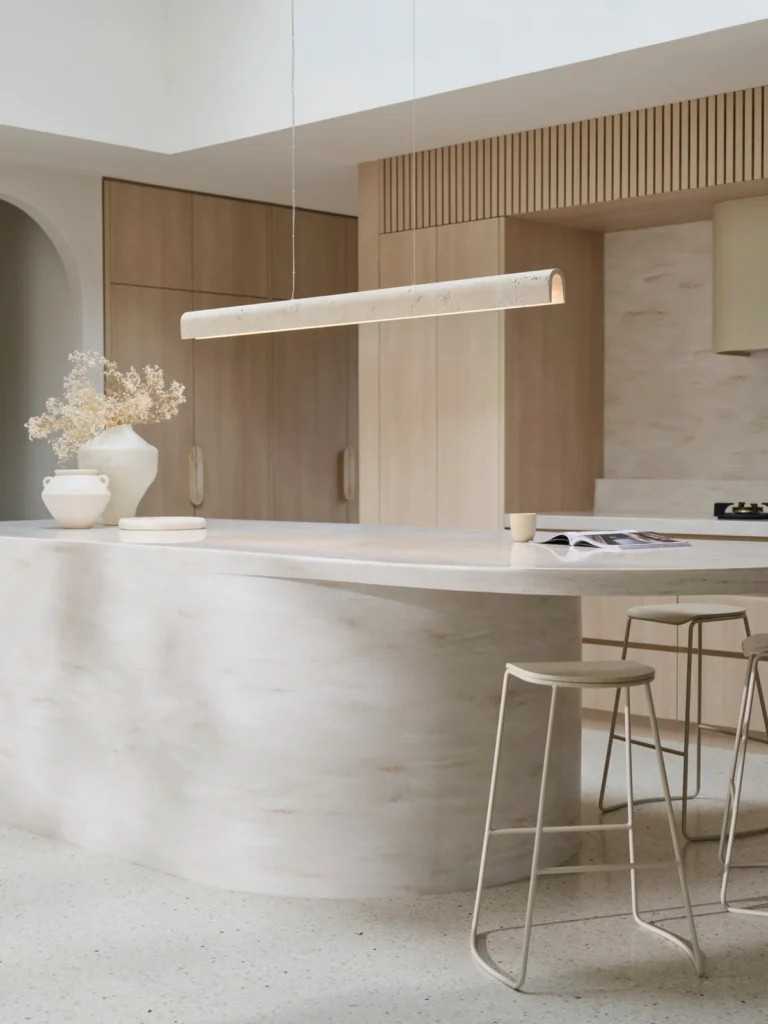
Modern kitchen island lighting can serve two main purposes. First, it provides task lighting for cooking and other activities. Second, it acts as a focal point, enhancing the overall design aesthetic of your kitchen.
When choosing island lighting, consider the size and style of your island, the height of your ceiling, and the amount of natural light in your kitchen. These factors will help you select fixtures that provide adequate light and complement your kitchen’s design.
Ceiling Lights: From Flush Mounts to Chandeliers
Kitchen ceiling lights play a significant role in defining the space. They can create an illusion of height and openness, making your kitchen appear larger and more inviting.
Flush mounts, semi-flush mounts, and chandeliers are popular choices for kitchen ceiling lights. Flush and semi-flush mounts are ideal for low ceilings, while chandeliers can add a touch of luxury to high-ceiling kitchens.
Remember, the key is to choose a fixture that complements your kitchen’s style and provides the right amount of light for your needs.
Modern Kitchen Light Fixtures and Design Aesthetics
Modern kitchen light fixtures are more than just functional elements. They can significantly enhance the overall design aesthetic of your kitchen.
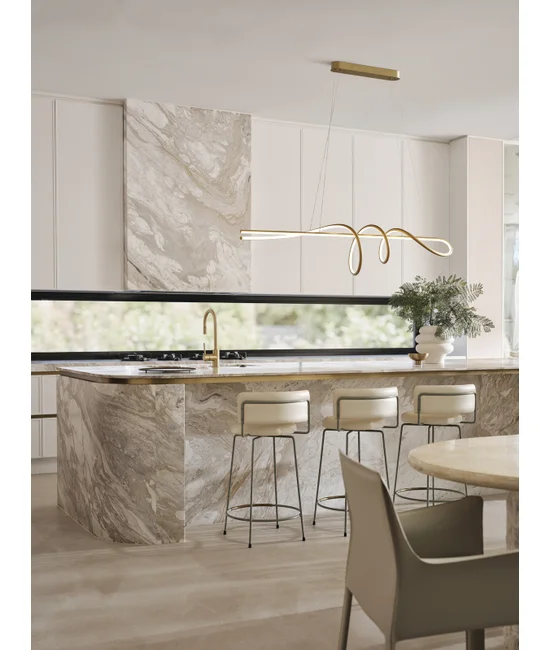
From sleek pendant lights to minimalist spotlights, these fixtures can add a contemporary touch to your space. They can complement your kitchen’s modern design while providing the necessary illumination.
Remember, the right light fixture can serve as a statement piece, drawing attention and adding character to your kitchen. So, choose wisely!
Kitchen Light Fittings: Functionality Meets Style
When it comes to kitchen light fittings, functionality and style go hand in hand. The right fittings can make a significant difference in your kitchen’s look and feel.
Consider fittings that are easy to clean and maintain. This is especially important in a kitchen where grease and grime can accumulate over time.
Finally, remember that the best kitchen light fittings are those that blend seamlessly with your kitchen’s decor. They should enhance the space, not overpower it.
Island Bench Pendant Lights: Combining Form with Function
Island bench pendant lights are a popular choice in modern kitchens. They serve a dual purpose, providing both task lighting and a design statement.
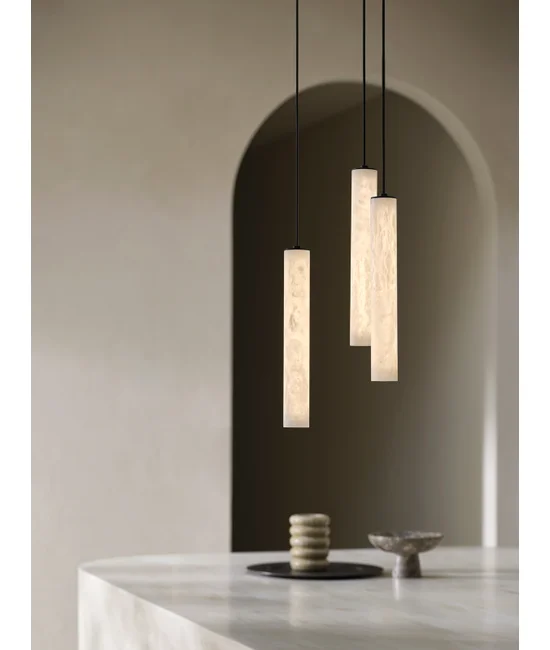
These lights are perfect for illuminating your workspace while adding a touch of style. They come in a variety of designs, from sleek and modern to rustic and vintage.
Remember, the key to successful island bench lighting is to balance form and function. Choose pendant lights that complement your kitchen’s aesthetic while providing the right amount of light for your needs.
Spotlights and Task Lighting: Illuminating Your Workspaces
Spotlights are a great way to focus light on specific areas in your kitchen. They’re ideal for task lighting, especially in areas where you prepare food.
Modern kitchen spotlights come in a variety of styles and sizes. You can choose from recessed spotlights, track lighting, or even adjustable spotlights for maximum flexibility.
Remember, good task lighting is essential for kitchen safety. So, make sure your workspaces are well-lit with spotlights or other task lighting solutions.
Good Kitchen Lighting: Setting the Mood and Atmosphere
Good kitchen lighting does more than just illuminate your workspace. It also sets the mood and atmosphere of your kitchen.
Whether you’re cooking a meal or hosting a dinner party, the right lighting can make your kitchen feel warm and inviting. Consider using dimmer switches to adjust the brightness and create different moods.
Remember, your kitchen is the heart of your home. So, choose light fixtures that create a welcoming and comfortable atmosphere.
Smart Kitchen Lighting: Technology and Trends
Smart kitchen lighting is a game-changer. It allows you to control your lights using your smartphone or voice commands.
From adjusting brightness to changing color temperature, smart lighting offers a level of convenience and customization that traditional lighting can’t match. It’s a trend that’s here to stay.
Conclusion: Bringing It All Together
Choosing the right kitchen light fixtures is a blend of art and science. It’s about balancing aesthetics with functionality, and creating a lighting scheme that enhances your kitchen’s design and usability.
Remember, the best kitchen lighting is layered, versatile, and complements your kitchen’s style. It’s also energy-efficient, easy to maintain, and integrates seamlessly with your smart home system.
In the end, the right kitchen lighting can transform your kitchen into a warm, inviting, and functional space. So take your time, consider your options, and don’t be afraid to experiment with different light fixtures and styles.
If you need advice please contact us. Alternatively, you can get instant lighting installation quote in less than 2 minutes or read our guide on what it costs to install lights in your home or office.